Weight gain is a common issue for women, and hormone imbalance is often a primary cause. The endocrine system is a series of glands that produce and secrete hormones that the body uses for a wide range of functions. Hormones, chemical messengers within the endocrine system, get released into the bloodstream to coordinate different functions throughout the body and play an important role in regulating body weight. When these messengers are out of balance, the result may be a significant increase in pounds that are often difficult to lose. Understanding the connection between hormone imbalance and weight in women can help facilitate the necessary lifestyle changes to improve overall health. In this blog post, we will explore the connection between hormone imbalance and weight in women, identify the potential causes of these imbalances, and discuss ways to address them.
The Link Between Hormonal Imbalance and Weight Gain
Weight gain in women is a complex issue that has many potential causes, but one of the most overlooked is hormonal imbalance. A few of the most common hormonal culprits that, when out of balance, make it virtually impossible to lose those extra pounds include estrogen, thyroid, insulin, leptin, ghrelin, and cortisol. The reasons behind the imbalances are varied and likely, other factors are also at play. These factors include unmanaged stress, environmental influences, inadequate nutrition, lack of appropriate exercise for your body type and goals, inflammation, and certain medications. Any combination can create a cascade of physical and emotional side effects that can affect overall health. It is important to note that a single hormone never acts independently. ALL hormones are interconnected and play a role in the unique dynamics that take place in our bodies every single day.
Restoration of a healthy hormonal balance is NOT out of reach. By understanding the underlying causes of hormone imbalance and fluctuations, and then addressing the issues, you can restore optimal functioning and reduce the downstream negative effects of excess weight. In addition to the extra pounds, hormone imbalance can result in fatigue, elevated heart rate, constipation and/or diarrhea, depression and/or anxiety, the feeling of being cold, hot flashes, irritability, numbness of extremities, infertility, acne, mood swings, difficulty sleeping, and increased cravings, especially for sugar and carbohydrates.

Menopause
Menopause is a natural process of aging that can cause significant hormonal imbalances that can lead to weight gain. Estrogen, progesterone, and other hormones all play a key role in regulating a woman’s metabolism and energy levels. During menopause, the body produces less of these hormones, which can lead to an increase in appetite and cravings for comfort foods. Menopause can also cause changes in metabolism, resulting in a slower rate of fat burning. Additionally, the loss of muscle mass during menopause can contribute to weight gain, since muscle burns more calories than fat.
Fortunately, there are ways to manage and balance hormone levels during menopause to help with weight management. Eating a balanced diet, exercising regularly, and speaking with a provider about hormone balancing can all be effective tools in managing weight during menopause. While eating a balanced diet and exercising regularly can help to maintain muscle mass and help burn fat more efficiently, lifestyle factors can improve sleep, energy, and mood, and hormone balancing can help to regulate appetite and metabolism. In conjunction, these factors can help you get to the bottom of stubborn weight once and for all and live a healthier, more optimal life.
How does ESTROGEN impact weight?
Estrogen is one of the key hormones that can affect weight gain -whether the level is high or low. When estrogen levels are high, fat storage in the body increases, often in the areas of the hips, thighs, and buttocks. Additionally, excess estrogen can lead to increased appetite, resulting in overeating and further weight gain. This key hormone can also cause water retention, making it harder for the body to rid itself of excess weight. On the other hand, low levels of estrogen can also contribute to an increase in abdominal fat by producing more fat cells as a means to regulate metabolism through a compensatory effort.
Hypothyroidism
One of the leading causes of hormone imbalance is hypothyroidism, a condition in which the thyroid gland is underactive and does not produce enough of the hormone thyroxine. Learn more about thyroid hormones here. The thyroid gland is essential in regulating hormones for enabling optimal ATP production (energy) in the mitochondria – it’s like the thermostat of the body… when things are turned down low, they’re too cold and sluggish and inactive, and when it’s turned up too high, it’s hot and overstimulated. This is a great analogy for what happens in the body and something I often share when meeting with clients. In the same respect, sluggish thyroid = sluggish anything. This can be a depressed mood, constipation, dry skin, and so much more!

Women with hypothyroidism often experience a decrease in their metabolic rate, making it harder to lose weight. It is important to recognize also, that no one hormone acts independently of the others… everything is interconnected in our complex body system. For example, having sufficient thyroid hormone improves insulin sensitivity and has a significant role in insulin resistance, prediabetes, and diabetes. Read further for more on insulin and its significant impact on weight.
In addition to hormones acting synergistically, essential nutrients are needed to support the conversion of T4 to T3, and then to get the bioactive thyroid hormone, T3, into the intracellular environment where it has an effect. Some of these key nutrients include Vitamin A, Zinc, Selenium, and Iron.
INSULIN, LEPTIN, AND BEYOND!
INSULIN
Insulin is a hormone generated in the pancreas in direct response to the glycemic load of our life, which is not just about foods, not just about carbohydrates. It is also about our stress in terms of the increase in blood sugar that naturally occurs as part of stress hormone release. It is stimulated by the intake of protein and carbohydrates. Insulin is about not only promoting the entry of glucose into the cell but also about ensuring long-term survival by promoting the storage of excess glucose in the form of (1) glycogen and then (2) fats. Excessive levels of blood sugar eventually lead to increased levels of triglycerides, and then eventually increased adipose tissue. The fats are made and then exported from the liver for storage throughout the body via VLDL (very low-density lipoproteins); from there, it’s stored as adipose tissue.
When insulin levels are high, there is a dynamic that occurs causing an imbalance in sex hormones. Women may experience increased testosterone levels as part of this hormonal imbalance which contributes to issues with reproduction, namely infertility. Along with these high levels, comes fatty liver, insulin and leptin resistance, increased triglycerides, further oxidative damage, pancreatic insufficiency, and a higher likelihood of gut imbalances- essentially, the development of metabolic syndrome. Metabolic syndrome is a group of conditions that together raise the risk of coronary heart disease, diabetes, stroke, and other serious health issues. It is also referred to as insulin resistance syndrome and represents inflammation.
Insulin Resistance
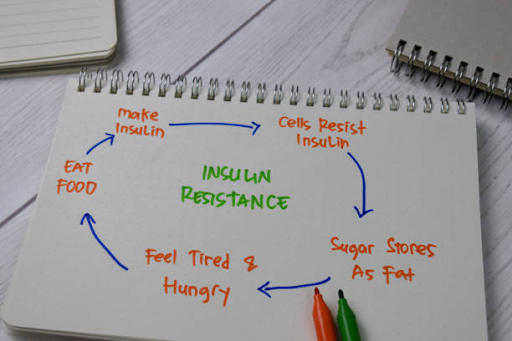
This mechanism occurs when there is cellular impairment of insulin uptake to maintain intracellular glucose homeostasis (balance) resulting in higher blood glucose levels. Common clues for this type of dynamic are energy crashes, cravings for sugar, carbohydrates, frequent urination, the subclinical elevation of c-peptide or fasting insulin, trending increase in fasting glucose, elevated triglycerides, belly fat/muffin top. There are many upstream drivers for this and also numerous downstream effects (e.g. poor wound healing, PCOS, hypertension, low HDL and/or high LDL, GI issues).
In measuring lab values, oftentimes the blood glucose will remain to appear “perfect”, however, behind the scenes, there is a progressively higher level of insulin that is interfering with our ability to liberate fat and use it as an energy source. This is where higher levels of insulin keep higher levels of stored fat. Over time as insulin resistance progresses into pancreatic dysfunction, we’re going to have trouble with the cell being able to take up glucose for fuel.
Interventions are unique for the person since we are so dynamically complex; however, some common actions could be to increase healthy fats and fiber (this helps to reduce the risk of blood sugar spikes and slow digestion), proteins, anti-inflammatory foods, improve sleep quantity and quality, regular exercise, address sources of stress, and supplement for inadequate omega-3’s, CoQ10, digestive enzymes, and magnesium. Adding cinnamon to your diet may also help to reduce insulin resistance.
LEPTIN
Leptin is a hormone produced by the fat cells in your body. The more body fat, the more leptin. Its main role is to regulate the balance between food intake and energy expenditure by sending signals to a part of the brain known as the hypothalamus.
Both high and low levels of leptin can lead to weight gain. While this may sound puzzling at first, it is quite simple to understand when it’s thought of as a hormone imbalance. We already know that hormones work synergistically, and never independently.
In this case, low levels of leptin can lead to weight gain because the body may not receive the signal to stop eating due to there not being ‘enough’ leptin. It is harder for the body to tell the brain when it is full (because of the low body fat, low leptin level), leading to overeating and weight gain. On the contrary, the brains of people with obesity “should” know that they have plenty of stored energy, however, their leptin signaling may not work. While copious leptin may be present, the brain simply doesn’t see it. This is known as leptin resistance and is now believed to be one of the main biological contributors to obesity.
Leptin resistance
Leptin resistance is an increasingly common condition. The body fails to respond to the present hormone, which is supposed to help regulate hunger and metabolism. This condition can lead to weight gain and a variety of metabolic disorders, including diabetes and heart disease. Many factors can contribute to leptin resistance such as an innate imbalance, inadequate diet/nutrition, lack of proper exercise, and unabated stress. Women may be more prone to leptin resistance (and insulin resistance!) due to conditions such as polycystic ovarian syndrome (PCOS). This is a condition in which the ovaries produce an abnormal amount of androgens, male sex hormones that are usually present in women in small amounts.
Addressing leptin resistance usually involves making lifestyle modifications, such as eating a balanced diet and exercising regularly. Medications and supplements may also be suggested to help restore leptin sensitivity. These interventions can help reduce weight gain and improve overall health for long-term success.
GHRELIN
Another one of the primary hormonal culprits that can be a major factor in weight gain in women is ghrelin. Ghrelin is a hormone that is produced mainly in the stomach and plays an important role in appetite regulation. When the stomach is empty, ghrelin levels increase, and when it is full, levels decrease. If these levels become imbalanced, it may lead to increased appetite and cravings, causing women to gain weight.
Managing ghrelin levels is key to controlling appetite and preventing weight gain in women with hormone imbalances. Eating frequent, balanced meals throughout the day can help keep levels in check and reduce cravings. Of course, knowing your body is key! If there are reasons to suspect enhanced intestinal permeability or leaky gut, due to gut-barrier dysfunction whereby the gut allows more than water and nutrients through (such as food fodder, mal-digested food), then frequent meals would not be a wise idea. It is always important to contact a professional to find a plan for healing that is best for you.
Regular exercise can also have a positive effect on ghrelin levels, helping to keep appetite under control. Additionally, it is important to get enough sleep, as inadequate sleep can lead to higher levels of ghrelin and increased appetite. Remember, the body is complex and no one entity ever stands alone. Lifestyle choices, habits, mood, sleep, sexual function, nutritional choices, hormones, and movement are interwoven, always. Lastly, research has shown that omega-3 fatty acids can help reduce ghrelin levels.

CORTISOL
Cortisol, commonly referred to as the stress hormone, can lead to weight gain in several ways. It stimulates the appetite leading to an increase in food intake, as well as slows down the metabolism, making it harder for the body to burn calories and fat. This can lead to the storage of fat in the abdominal area, which can be even more difficult to lose without the support of an experienced provider. Additionally, cortisol can lead to an increase in blood glucose levels, which can lead to cravings for unhealthy snacks and sweets. Furthermore, cortisol can lead to a decrease in muscle mass, which makes it harder for the body to burn calories and fat. Remember, muscle burns more calories than fat!
A few ways to start balancing cortisol, and hormones in general, to rid those excess pounds:
- Exercise regularly to help reduce stress levels and stabilize cortisol levels. Low-impact activities like walking, yoga, and swimming can be beneficial. Working your way up to aim for at least 30 minutes of physical activity 5x/week. Visit here for recommendations from the CDC on moderate to vigorous activity.
- Getting enough restful sleep, especially for keeping cortisol levels in check. Aim for seven to nine hours of quality sleep each night. A regular sleep routine can help to ensure that you’re getting enough rest. Timing matters -the hours just before midnight have been proven to be the most restorative.
- Eating a healthy, balanced diet can help to promote weight loss. Focus on eating whole foods, such as fruits, vegetables, lean proteins, and whole grains. Avoid sugary and processed foods as much as possible.
- Reduce caffeine intake since it can raise cortisol levels and does not address the root of the problem. People with chronic stress can experience what is referred to as adrenal fatigue, which occurs when cortisol levels are way off balance. Adrenal fatigue causes the feeling of being tired so oftentimes, caffeine is relied on as a measure to simply get through the day. It’s a vicious cycle because the caffeine wears off and they’re exhausted again. Not only can the vicious cycle wreak havoc on mood, but caffeine does not address the foot of the problem -which by now, I am rest assured you know is an issue with hormone balance.
- Reducing stress from all aspects can also help to keep cortisol levels from becoming too high. Take time to relax and do things you enjoy. Get your Vitamin “J” (Joy!).
Start the dialogue today by making an appointment with our functional medicine-trained nurse practitioner, specializing in weight management, hormone balancing, diabetes/prediabetes, and stress reduction.
p 631 209-7375
e myhealth@centerlinewellness.com
Share This